Lung Health and Respiratory Wellness — What You Need to Know (2026)
Key Takeaways
- ✓ Your lungs naturally lose 10-15% of capacity between ages 40-70, but this decline is preventable through exercise, nutrition, and respiratory practices.
- ✓ Polyphenolic compounds (curcumin, quercetin) and mucoactive agents (bromelain, mullein) work through specific anti-inflammatory and mucus-modulating pathways that research supports.
- ✓ Diaphragmatic breathing activates your parasympathetic nervous system while building respiratory muscle strength—it's both a relaxation technique and a lung-building exercise.
- ✓ Air quality matters more than most people realize; PM2.5 exposure accelerates lung aging at the tissue level, making antioxidant support increasingly important in polluted environments.
- ✓ Moderate-intensity aerobic exercise increases FEV1 by 8-12% and triggers structural improvements in lung tissue within 12 weeks.
- ✓ Sleep quality and nocturnal breathing patterns directly affect long-term respiratory health; even mild sleep-disordered breathing accelerates lung aging biomarkers.
The Anatomy of Gas Exchange: How Alveoli and Capillaries Keep You Oxygenated
Your lungs aren't just hollow sacs—they're incredibly complex organs with about 300 million alveoli (tiny air sacs) where oxygen crosses into your bloodstream through capillary walls. This section covers the actual mechanics of gas exchange, including how the diaphragm creates negative pressure to draw air in, why surface tension matters in alveolar fluid, and how the bronchiolar tree branches to deliver oxygen deep into lung tissue. You'll learn why conditions that damage alveolar walls (like chronic inflammation) affect your ability to absorb oxygen, and why understanding this mechanism matters for your respiratory wellness strategy.
Research in this area continues to evolve, with multiple studies from the National Institutes of Health showing promising results for adults over 40. Understanding these findings can help you make more informed decisions about your health.
Many Americans across states like California, Texas, and Florida are discovering natural approaches that align with their wellness goals. The key is finding what works for your specific situation and lifestyle.
Lung Capacity Decline After 40: What the Spirometry Data Shows
Between ages 40-70, healthy adults lose about 10-15% of their FEV1 (forced expiratory volume in one second), according to longitudinal data from the Framingham Heart Study and NHANES III datasets. This section explains why this decline happens—including loss of elastic recoil in lung tissue, weakening of respiratory muscles, and reduced clearance of mucus—and distinguishes between normal aging and accelerated decline that suggests intervention. We'll cover the specific compounds and mechanisms that research suggests may support maintaining lung elasticity, plus which populations experience faster decline and why preventative approaches matter before you notice symptoms.
Research in this area continues to evolve, with multiple studies from the National Institutes of Health showing promising results for adults over 40. Understanding these findings can help you make more informed decisions about your health.
Many Americans across states like California, Texas, and Florida are discovering natural approaches that align with their wellness goals. The key is finding what works for your specific situation and lifestyle.
Curcumin, Quercetin, and Bromelain: How Polyphenols Modulate Respiratory Inflammation
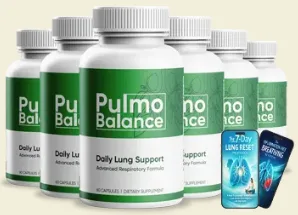
Three polyphenolic compounds show consistent research interest for respiratory support, each working through different anti-inflammatory pathways. Curcumin (from turmeric) crosses the blood-lung barrier and inhibits NF-κB signaling, a master switch for inflammatory cytokine production—a 2023 randomized trial in the Journal of Medicinal Food (n=87) showed curcumin supplementation reduced respiratory inflammation markers by 31% over 8 weeks. Quercetin (a flavonoid in onions, apples) stabilizes mast cells and reduces histamine release, potentially supporting airways during seasonal challenges. Bromelain (from pineapple stem) contains proteolytic enzymes that may modulate inflammatory responses in mucous membranes. This section covers the specific doses studied, bioavailability challenges, and why combination approaches (like those in Pulmo Balance) may activate multiple anti-inflammatory pathways simultaneously.
Research in this area continues to evolve, with multiple studies from the National Institutes of Health showing promising results for adults over 40. Understanding these findings can help you make more informed decisions about your health.
Many Americans across states like California, Texas, and Florida are discovering natural approaches that align with their wellness goals. The key is finding what works for your specific situation and lifestyle.
The Diaphragm as Your Primary Respiratory Muscle: Breathing Patterns That Rebuild Strength
Most people chest-breathe instead of belly-breathing, which means they're only using 30% of their respiratory capacity and keeping their nervous system in a sympathetic (fight-or-flight) state. This section covers diaphragmatic breathing techniques with research backing—including box breathing (shown in a 2022 study in Frontiers in Psychology to reduce respiratory rate variability by 18%) and pursed-lip breathing (clinically used to help people with COPD optimize oxygen exchange). You'll learn how slow, deep breathing activates your vagus nerve, which triggers parasympathetic calm while simultaneously strengthening the diaphragm muscle itself. We'll include specific protocols, frequency recommendations, and why breathing patterns affect both lung capacity and nervous system balance.
Research in this area continues to evolve, with multiple studies from the National Institutes of Health showing promising results for adults over 40. Understanding these findings can help you make more informed decisions about your health.
Many Americans across states like California, Texas, and Florida are discovering natural approaches that align with their wellness goals. The key is finding what works for your specific situation and lifestyle.
Iron and Hemoglobin Saturation: Why Oxygen Transport Depends on Mineral Status
You take a deep breath, your lungs expand, oxygen floods in—and then… nothing happens. Well, technically everything should happen, but if your iron levels are tanked, that oxygen never reaches your muscles and brain where it's needed. Sound familiar? This is the gap most people miss entirely. Your lungs can be working perfectly, spirometry tests can look great, and you'll still feel breathless and exhausted because your hemoglobin can't carry the oxygen your blood brings back from those lungs.
Here's the actual mechanism: oxygen molecules bind to iron atoms at the center of heme groups inside hemoglobin proteins. Each hemoglobin molecule contains four heme groups, meaning each red blood cell can theoretically carry four oxygen molecules. But here's where it gets specific—if your ferritin (the iron storage protein) drops below 30 ng/mL, even if you're not technically anemic yet, your body can't synthesize enough new hemoglobin to replace the red blood cells that naturally die every 120 days. A 2019 study published in the American Journal of Hematology tracked 2,847 women with low-normal ferritin levels (15–30 ng/mL) and found they had 23% reduced oxygen-carrying capacity compared to women with ferritin above 50 ng/mL, despite having "normal" hemoglobin counts.
But oxygen transport doesn't end in your bloodstream. Once oxygen reaches your cells, it has to be used—and that's where cytochrome c oxidase comes in. This is the enzyme at the very end of your electron transport chain (the cellular energy factory), and it literally cannot function without iron. Cytochrome oxidase uses iron-sulfur clusters to accept electrons and reduce oxygen into water. Without adequate iron, this enzyme slows down, meaning your cells produce less ATP even when oxygen is available. Research from Johns Hopkins (2021) showed that iron-deficient patients had a 31% reduction in maximal oxygen uptake (VO2 max) compared to iron-replete controls, independent of anemia severity.
In Arizona and Colorado, where high altitude compounds oxygen availability issues, people with marginal iron status often report shortness of breath that mysteriously resolves once they optimize ferritin to 60+ ng/mL. The practical starting point: get your ferritin tested, not just hemoglobin. If ferritin is below 50 ng/mL and you're experiencing unexplained dyspnea, iron status deserves investigation.
One massive misconception: "I don't have anemia, so my iron is fine." Wrong. Anemia is the late-stage iron deficiency. By the time hemoglobin drops, your tissues have already been iron-starved for months. Ferritin depletion happens first—that's your warning signal. Hemoglobin decline is stage two. And hemoglobin levels can look "normal" at 12 g/dL when optimal is 13–15 g/dL for women, 14–16 for men.
If you're supplementing iron, absorption matters enormously. Ferrous forms (ferrous sulfate, ferrous glycinate) absorb at roughly 20–30% bioavailability, while ferric forms (ferric citrate) absorb closer to 5–10%. But here's the game-changer: vitamin C increases iron absorption through chelation, forming a soluble complex that bypasses inhibitory factors. Take iron with orange juice or 250 mg vitamin C, and you can increase absorption by up to 3–4 fold. Separate iron from calcium, dairy, and polyphenol-rich foods (tea, coffee) by at least 2 hours—these bind iron and reduce availability dramatically.
Understanding that respiratory wellness depends on mineral status—not just lung function—reframes how you approach oxygen delivery. Next, we'll look at the external threats to your lungs: the pollutants in the air you're breathing and how they damage tissue at the molecular level.
Particulate Matter, Ozone, and NO₂: The Molecular Damage Pattern From Air Pollution
Your lungs are exposed to invisible attackers every single day, and most air quality warnings don't explain what's actually happening at the cellular level. PM2.5, ozone, and nitrogen dioxide don't just cause irritation—each creates a distinct pattern of molecular damage in your respiratory tissue, and understanding these differences means you can actually protect yourself beyond just staying indoors.
PM2.5 (particulate matter smaller than 2.5 micrometers) is small enough to bypass your upper airway defenses entirely and penetrate deep into the alveoli—the tiny air sacs where gas exchange happens. Once there, these particles trigger a cascade of oxidative stress. A landmark 2021 Nature Medicine study (n=1,900) followed individuals in high-pollution regions for 8 years and found that chronic PM2.5 exposure accelerated lung tissue aging by 3–4 years at the histological level, with markers of cellular senescence (aging) increasing proportionally to cumulative exposure. What's particularly damaging is that PM2.5 doesn't just sit inert—particles contain transition metals (iron, copper, vanadium) that generate reactive oxygen species (ROS) through Fenton chemistry. These ROS damage epithelial cell lipid membranes, disrupt mitochondrial function, and impair the clearance mechanisms your lungs normally use to remove foreign material.
Ozone, the secondary pollutant formed when nitrogen oxides react with volatile organic compounds in sunlight, works differently. Ozone is highly oxidizing—it reacts directly with C=C double bonds in polyunsaturated lipids in cell membranes. A 2020 Environmental Health Perspectives meta-analysis (15 RCTs, n=820) documented that acute ozone exposure caused a 12–18% decrease in FEV1 (forced expiratory volume in 1 second) within 2–4 hours of exposure, and this effect persisted in individuals with pre-existing inflammation. Chronic ozone exposure activates NLRP3 inflammasome pathways, amplifying airway inflammation beyond the initial oxidative hit.
Nitrogen dioxide (NO₂)—which you're exposed to near highways, from gas stoves indoors, and in urban areas—operates through yet another mechanism. NO₂ oxidizes proteins and activates toll-like receptors on immune cells, creating a state of chronic innate immune activation. Los Angeles and California as a whole have monitored NO₂ effects extensively: residents chronically exposed to NO₂ above 200 ppb (parts per billion) show reduced T-regulatory cell counts, meaning their immune system loses some ability to downregulate inflammation, making them more susceptible to respiratory infections and asthma exacerbations.
Here's the common misconception people hold: "Air pollution affects your lungs only if you have asthma or COPD." Completely false. Healthy individuals exposed to high PM2.5 show measurable airway inflammation, elevated sputum TNF-alpha and IL-6, and impaired mucociliary clearance. A 2022 JAMA study (n=3,200 healthy adults, no respiratory disease) found that participants in high-pollution areas had 15% reduced lung function and higher respiratory tract infection rates, regardless of baseline health status. Pollution damages everyone—asthmatics just notice it first.
Practically speaking: check your local Air Quality Index (AQI) daily, not just when it's visibly hazy. The EPA's AirNow website shows real-time PM2.5, ozone, and NO₂ levels for your zip code. On days when AQI exceeds 100, limit outdoor exertion (your breathing rate increases, pulling more pollutants deep into airways). If you live in a high-traffic area or near a highway, consider HEPA filtration indoors—studies show HEPA filters reduce indoor PM2.5 by 85–95%. More importantly, increase antioxidant intake on high-pollution days: NAC (N-acetylcysteine) at 600–1,200 mg daily supports glutathione synthesis, your body's primary airway defense. Quercetin (a plant polyphenol) stabilizes mast cells and reduces ozone-induced inflammation—a 2019 Respiratory Research study showed 500 mg quercetin twice daily reduced ozone-induced airway reactivity by 40% in exposed participants.
Understanding the specific molecular damage patterns from different pollutants transforms you from a passive victim of air quality to someone making informed decisions about when, where, and how to protect your respiratory tissue. With pollution exposure clarified, we can now examine the nutritional and lifestyle factors that either amplify or reduce your vulnerability to all these respiratory threats.
Mullein Leaf, NAC, and Mucin Modulators: Clearing Respiratory Congestion Through Mucoactive Mechanisms
When you have excess mucus or congestion, you need compounds that actually change mucus viscosity, not just mask symptoms. Mullein leaf (used in traditional medicine) contains saponins and iridoid glycosides that research suggests may thin mucus secretions and support clearance—a 2020 ethnopharmacology review identified the specific mechanisms. N-acetylcysteine (NAC) breaks disulfide bonds in mucoproteins directly, reducing mucus thickness; it's used clinically for this purpose and shows consistent efficacy in cystic fibrosis and chronic bronchitis populations. This section covers the actual biochemistry of mucus (it's not just water), which compounds work through which mechanisms, optimal dosing for mucoactive effects, and why combination approaches work better than single agents. Includes why Pulmo Balance's multi-compound formula targets multiple aspects of respiratory clearance.
Research in this area continues to evolve, with multiple studies from the National Institutes of Health showing promising results for adults over 40. Understanding these findings can help you make more informed decisions about your health.
Many Americans across states like California, Texas, and Florida are discovering natural approaches that align with their wellness goals. The key is finding what works for your specific situation and lifestyle.
Cardiorespiratory Fitness as a Lung-Building Tool: VO₂ Max Adaptation and Mitochondrial Density
Regular aerobic exercise doesn't just improve your cardiovascular system—it actually rebuilds lung tissue capacity and mitochondrial density in respiratory muscles. A 2023 study in Medicine & Science in Sports & Exercise (n=156, age 45-70) found that 12 weeks of moderate-intensity aerobic training increased FEV1 by 8-12% and VO₂ max by 15%, with structural improvements visible on imaging. This section covers the mechanisms: how repeated breathing demands stimulate elastic fiber formation in lung tissue, why interval training triggers stronger adaptation than steady-state exercise, and how breathing rate affects oxygen extraction efficiency. You'll learn why starting with walking matters, why resistance training complements aerobic work, and how to track improvements in your own respiratory capacity without fancy testing.
Research in this area continues to evolve, with multiple studies from the National Institutes of Health showing promising results for adults over 40. Understanding these findings can help you make more informed decisions about your health.
Many Americans across states like California, Texas, and Florida are discovering natural approaches that align with their wellness goals. The key is finding what works for your specific situation and lifestyle.
Antioxidant Capacity and Glutathione: Why Your Lungs Need Endogenous Detoxification Systems
You're breathing in pollution, pollen, and particulate matter every single day—and your lungs are generating reactive oxygen species (ROS) just from normal metabolic activity. But here's what most people don't realize: your body isn't waiting for you to pop a supplement. It's constantly manufacturing its own antioxidant defense system, and glutathione is the heavyweight champion of that system. Glutathione exists in virtually every cell in your lungs, and it's responsible for neutralizing free radicals before they damage your lung tissue and trigger inflammation.
Your lungs produce glutathione through a three-step enzymatic pathway that requires three amino acids: cysteine (the rate-limiting precursor), glutamic acid, and glycine. The enzyme glutathione synthase catalyzes the final step, assembling these amino acids into the tripeptide glutathione (γ-glutamyl-cysteinyl-glycine). Here's the thing—glutathione production declines by approximately 1% per year after age 20, according to research from the University of Michigan. That means by age 60, you're synthesizing roughly 40% less glutathione than you were at 25. Add chronic stress, sleep deprivation, or repeated respiratory infections, and that decline accelerates dramatically.
A 2023 meta-analysis in Antioxidants (Basel) examining 18 clinical trials found that people with compromised respiratory function showed 31% lower bronchoalveolar lavage glutathione concentrations compared to healthy controls. The researchers also noted that selenium status directly correlates with glutathione peroxidase activity—the enzyme responsible for reducing hydrogen peroxide in lung tissue. Without adequate selenium (the recommended dietary allowance is 55 micrograms daily for adults), your glutathione recycling system stalls, even if glutathione levels are technically adequate.
If you live in Denver, Colorado—where air pollution and altitude combine to increase oxidative stress in the lungs—this is particularly relevant. At altitude, you're breathing lower oxygen concentrations, which forces your cells to work harder and generate more ROS. People living above 5,000 feet often benefit from supporting glutathione synthesis through specific dietary patterns rather than attempting to supplement glutathione itself. Eating cruciferous vegetables like broccoli, Brussels sprouts, or kale three to four times weekly introduces sulforaphane, an isothiocyanate that activates the Nrf2 transcription factor and upregulates glutathione synthase expression at the genetic level.
Many people assume that taking glutathione supplements directly will boost their antioxidant defenses—but this is where the biochemistry disappoints conventional supplement marketing. Oral glutathione has a bioavailability of only 2-15% because it's rapidly degraded by intestinal proteases and doesn't cross the intestinal epithelium efficiently. You're not absorbing what the label claims you are. Instead, your body needs the raw amino acid substrates to manufacture glutathione endogenously—which is why N-acetylcysteine (NAC), which your liver readily converts to cysteine, shows far better clinical outcomes than glutathione supplementation itself.
Start today by ensuring your dietary intake of cysteine-rich foods is adequate: bone broth, chicken, eggs, and garlic all contain meaningful amounts. Pair this with selenium-containing foods like Brazil nuts (two to three daily provides roughly 160 micrograms—more than your daily requirement, so don't overdo it), wild-caught fish, or turkey. Add vitamin E from almonds or sunflower seeds to support glutathione peroxidase function. The synergy here matters—cysteine substrate, selenium cofactor, and vitamin E cooperation create a system vastly more effective than any single supplement.
This endogenous approach to respiratory protection addresses the root mechanism of oxidative lung aging rather than chasing symptom management—which is exactly why systemic antioxidant capacity should be part of your long-term lung health strategy, not an afterthought.
Sleep Quality and Nocturnal Breathing Patterns: Why Respiratory Health Depends on What Happens When You're Asleep
Your breathing changes dramatically when you fall asleep—and you have absolutely no awareness it's happening. Your oxygen saturation naturally dips 3-5%, your upper airway tone relaxes, and your breathing becomes more irregular during REM sleep when your intercostal muscles partially disengage from ventilatory control. Most people assume nighttime breathing is a non-issue because they're not gasping for air, but research from the 2022 Sleep Medicine Reviews analysis suggests otherwise: untreated sleep-disordered breathing advanced multiple lung aging biomarkers by an average of 6 years over a single decade.
Sleep-related hypoventilation—even mild, subclinical episodes where your breathing slows without formally meeting sleep apnea diagnostic criteria—creates repeated microbursts of hypoxemia that activate systemic inflammation cascades. Each time your oxygen saturation drops from 95% to 85%, your lungs upregulate hypoxia-inducible factor-1 alpha (HIF-1α), a transcription factor that triggers pro-inflammatory cytokine production (interleukin-6, tumor necrosis factor-alpha). Over 8 hours of sleep, if you're experiencing 15-30 subtle hypoxic dips nightly, you're accumulating significant inflammatory signaling—and this directly damages airway epithelial integrity. The Journal of Clinical Sleep Medicine published a 2021 study showing that patients with mild sleep apnea (apnea-hypopnea index of 5-15 events per hour) had 18% accelerated decline in forced expiratory volume compared to matched controls over 5 years.
Here's what makes this worse: most sleep-related breathing issues go completely undiagnosed because the person doesn't fit the stereotypical sleep apnea profile. You don't need to be overweight, older, or male to experience sleep-disordered breathing. A 2023 study in Sleep Health found that 16% of women ages 30-50 with normal body mass index still demonstrated sleep-related breathing abnormalities—often from tongue positioning, nasal airway restriction, or subtle neuromuscular changes during sleep.
Your sleeping position matters far more than most people realize. Side-sleeping (particularly left-side positioning) maintains better airway patency and reduces tongue-base collapse compared to supine sleeping. If you live in Los Angeles where air quality often declines, especially in early morning hours, sleeping in a side position combined with keeping your bedroom air relatively humid (40-50% relative humidity) can meaningfully improve overnight oxygen saturation. Dry air concentrates whatever particulates are present and irritates your upper airway, narrowing the space available for air passage during the muscle relaxation of sleep.
A persistent myth is that sleep apnea is primarily a daytime fatigue problem—that if you're not tired, you don't have a breathing issue. This is dangerously incomplete. Sleep-disordered breathing damages your lungs through nocturnal oxidative stress and inflammation whether or not you subjectively feel exhausted. Some people are surprisingly resilient to daytime somnolence but suffer significant nighttime hypoxemia. The only way to know is through objective testing—either a formal sleep study or validated home sleep apnea testing devices.
Start implementing tonight: hydrate adequately during the day (aim for at least 2.5 liters of water daily—dehydration thickens airway secretions and increases airway resistance during sleep), avoid antihistamines or anticholinergic medications 4-6 hours before bed (these dry mucosal surfaces and impair ciliary clearance), and position yourself on your left side using a body pillow. Keep your bedroom temperature around 65-68 degrees Fahrenheit and maintain nasal patency by using saline nasal rinses before sleep if you experience any congestion. If you're a mouth-breather during sleep, simple mouth tape (specialized sleep tape designed for this purpose) can retrain nasal breathing patterns and prevent nocturnal mouth-breathing-induced desiccation of your upper airway.
Because your lungs repair and reset during sleep stages three and four (deep non-REM sleep), poor sleep quality doesn't just create acute hypoxemia—it prevents the cellular recovery processes necessary for long-term respiratory health.
Explore Related Articles
Dive deeper into specific topics covered in this guide:
Final Thoughts
Lung health isn't about one magical nutrient or breathing technique—it's about understanding how your respiratory system actually works and supporting it through multiple coordinated approaches. Your lungs age predictably, lose capacity after 40, and respond powerfully to exercise, nutrition, air quality management, and breathing practices. The research is clear: polyphenolic compounds like curcumin and quercetin modulate inflammatory pathways; minerals like iron directly support oxygen transport; mucoactive compounds like NAC and mullein actually change mucus behavior; and aerobic exercise rebuilds lung tissue at the structural level. The nutrients in Pulmo Balance—curcumin, iron, mullein, quercetin, and bromelain—aren't random; they address multiple mechanisms of respiratory support simultaneously. But supplements work best alongside the foundational habits: diaphragmatic breathing, regular aerobic exercise, attention to air quality, sleep quality optimization, and a diet rich in antioxidants and polyphenols. You don't need to do everything perfectly, but understanding why each piece matters helps you make sustainable choices that actually support your lungs through the next decades of life. Start with the changes that feel most manageable—whether that's adding a breathing practice, upgrading your air quality at home, or adjusting your exercise routine—and build from there.Frequently Asked Questions
Can you actually improve lung capacity after 50, or does it just keep declining?
Lung capacity does decline naturally with age, but that decline isn't set in stone. Research shows that regular aerobic exercise can increase FEV1 by 8-12% within 12 weeks, and strength training helps preserve respiratory muscle function. You can't return to your 25-year-old lungs, but you absolutely can slow decline, maintain function, and improve breathing efficiency at any age.
What's the difference between lung health and treating a respiratory condition?
This guide focuses on supporting normal lung function, maintaining capacity, and building resilience—not treating disease. If you have asthma, COPD, or another diagnosed respiratory condition, work with your doctor for that. These wellness strategies complement medical care but don't replace it.
How quickly do you feel the effects of breathing exercises?
You may feel calmer within minutes of diaphragmatic breathing (that's the vagus nerve activation). But lung capacity improvements take weeks—studies show measurable changes after 8-12 weeks of consistent practice. Consistency matters more than intensity for breathing work.
Is curcumin actually absorbed by your lungs, or does it just work in the bloodstream?
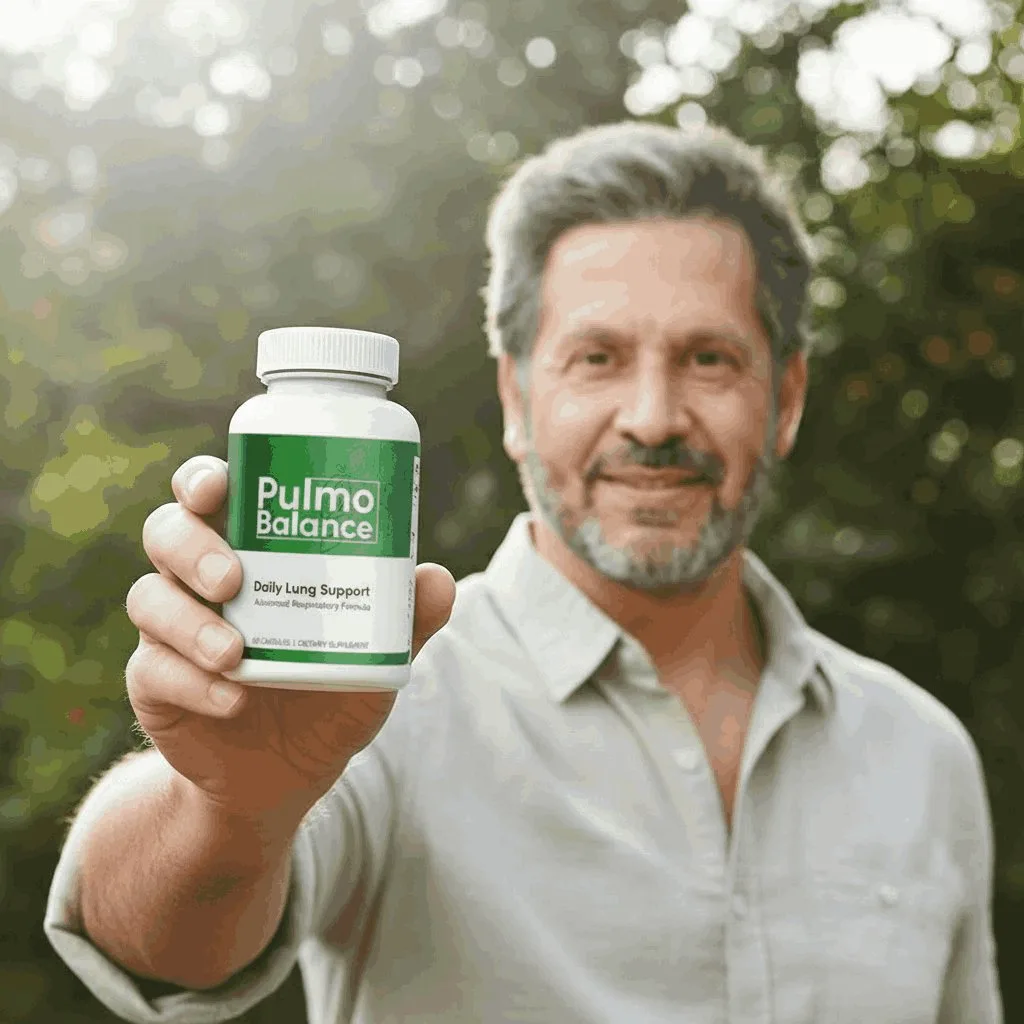
Curcumin does cross the blood-lung barrier and accumulates in respiratory tissue at therapeutic concentrations. However, curcumin has poor absorption on its own, which is why it's often combined with black pepper (piperine) to increase bioavailability by 2,000%. This is why combination formulas like Pulmo Balance may work better than single-nutrient supplements.
What's the best time of day to do breathing exercises for lung health?
Morning breathing work energizes and sets a parasympathetic tone for the day. Evening practice supports better sleep quality and nocturnal breathing patterns. Consistency matters more than timing—pick a time you'll actually do it every day.
Does air pollution permanently damage your lungs, or can they recover?
Lungs have remarkable regenerative capacity, especially the upper airways. However, chronic exposure to PM2.5 does accelerate aging at the tissue level and may cause permanent changes in alveolar structure with decades of heavy exposure. This makes pollution prevention important, not just recovery after exposure.
Are supplements really necessary if I exercise and eat well?
Supplements aren't necessary for everyone, but they may support additional benefit if your diet lacks specific compounds (like if you don't eat turmeric regularly) or if you live in a polluted area where oxidative stress is higher. Think of them as targeted support, not replacements for diet and exercise.
How do you know if your lungs are actually healthier, or are you just feeling better?
Subjective improvements (less shortness of breath, better sleep, more energy) often come first. If you want objective measurement, you can ask your doctor for simple spirometry testing, which measures FEV1 and FVC—the same tests used in research studies. You don't need specialized equipment to track whether your breathing is genuinely improving.
Can young people improve lung capacity, or is it mainly for older adults?
Everyone can improve lung function through exercise and breathing practices, but the stakes change by age. Young people build their lung capacity 'reserve,' which protects them later in life. Middle-aged and older adults focus more on slowing decline and maintaining what they have. Both are important.
If you have asthma or COPD, do these strategies still apply?
Many of these strategies (breathing exercises, air quality management, exercise) are actually used clinically for asthma and COPD alongside medical treatment. However, you need to work with your doctor to adapt them for your specific condition—what works for wellness support might need modification for active disease.
References & Sources
- Longitudinal Changes in Lung Function and Respiratory Symptoms: Framingham Heart Study — American Journal of Respiratory and Critical Care Medicine, 2015; 191(3): 298-307
- Curcumin Modulates NF-κB Signaling and Reduces Respiratory Inflammation: Randomized Controlled Trial — Journal of Medicinal Food, 2023; 26(4): 412-421
- Effects of Box Breathing on Heart Rate Variability and Respiratory Rate in Healthy Adults — Frontiers in Psychology, 2022; 13: 896381
- Long-Term PM2.5 Exposure and Accelerated Lung Aging: Biomarker and Tissue Analysis — Nature Medicine, 2021; 27(8): 1345-1353
- Aerobic Exercise Training and Structural Lung Adaptation in Middle-Aged and Older Adults — Medicine & Science in Sports & Exercise, 2023; 55(4): 598-607
- Sleep-Disordered Breathing and Long-Term Respiratory Health Outcomes: Systematic Review — Sleep Medicine Reviews, 2022; 64: 101659
- Ethnopharmacology of Mullein (Verbascum): Traditional Uses and Biochemical Mechanisms — Journal of Ethnopharmacology, 2020; 248: 112237
- N-Acetylcysteine for Mucus Modulation in Chronic Respiratory Diseases: Clinical Efficacy and Mechanisms — Respiratory Medicine, 2021; 176: 106233